Understanding the Layout of a Casino
Casinos are designed to be visually stimulating and often overwhelming to newcomers. Typically, the floor is organized into various sections, including gaming tables, slot machines, and sometimes, restaurants and bars. Knowing how to navigate this layout can significantly enhance your experience, especially when you consider options like online betting canada for added convenience. Familiarize yourself with zones such as high-stakes areas for serious gamblers, and low-limit sections which are more inviting for beginners.
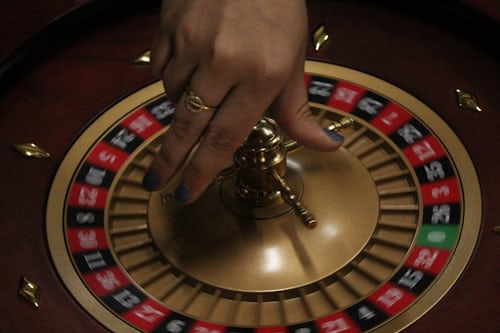
The entrance usually opens up to the slot machine area, where these brightly lit machines entice players with their sounds and colorful displays. As you move deeper into the casino, you’ll encounter table games like blackjack, poker, and roulette. Each area tends to have its own atmosphere, making it crucial for you to find the environment where you feel most comfortable.
Additionally, many casinos feature signage that points toward gaming options, amenities like restrooms, and emergency exits. Taking a moment to observe these signs can prevent confusion later on. It’s also a good idea to map out key locations such as the cashier’s cage and customer service desk, where you can find assistance if needed.
Choosing the Right Games
With a myriad of games available, selecting the right ones can feel daunting for a beginner. Understanding the basics of each game can provide clarity and enhance your enjoyment. Slot machines are often the most beginner-friendly since they require no prior knowledge; simply insert coins and spin the reels. You can also choose machines that fit your budget, as they come with various betting ranges.
Table games require a bit more knowledge. Blackjack, for example, is a straightforward card game where your goal is to reach a score of 21 or as close to it as possible without going over. It’s advisable to spend time learning the rules and basic strategies before sitting at a table. Many casinos offer free lessons for beginners, which can be a great way to build your confidence and skills.
Moreover, don’t hesitate to observe other players before joining a game. Watching experienced gamblers can provide insights into strategies and gameplay dynamics. Take note of their betting patterns and how they interact with the dealer. This observational learning can aid you in making more informed decisions when it’s your turn to play.
Managing Your Bankroll
Effective bankroll management is crucial for a positive casino experience. Before you step onto the casino floor, determine how much money you are willing to spend, and stick to that limit. It’s wise to only bring cash that you can afford to lose, as this will help alleviate stress and enhance your enjoyment. Consider setting aside a specific amount for each gaming session.
Additionally, it’s essential to be aware of the betting limits associated with each game. Different games and tables come with varying minimum and maximum bets. For instance, while you might find slots with pennies as minimum bets, table games like poker could have higher limits. Understanding these thresholds will help in planning how long you can play with your established bankroll.
Employing a strategy for how much to wager during each session can also help you manage your funds more effectively. Some players opt for a percentage system, where they only bet a portion of their bankroll on each game. This method not only extends your playing time but can also minimize the impact of losing streaks, allowing you to enjoy the casino experience longer.
Etiquette on the Casino Floor
Understanding the unwritten rules of casino etiquette can significantly improve your experience and interactions with other players and staff. For instance, it’s important to respect personal space at gaming tables and maintain a friendly demeanor. When playing at a table, avoid discussing your personal strategy loudly, as not everyone may appreciate sharing the space with a loud player.

Another critical aspect of casino etiquette is tipping. Dealers and waitstaff often rely on tips as part of their income, so being generous can foster good rapport. A common practice is to tip the dealer after a significant win or simply acknowledge their assistance during your game. Furthermore, if you’re enjoying complimentary drinks while playing, it’s customary to tip your server as well.
Moreover, when playing electronic games such as slots, be mindful of your surroundings and share machines when necessary. If you see someone waiting to play, it’s courteous to let them take a seat after you’ve completed your session. Creating a respectful and friendly gaming environment is everyone’s responsibility and enhances the overall experience for all participants.
Resources for Further Learning
If you’re eager to delve deeper into the world of casino gaming, numerous resources can help enhance your skills and knowledge. Many casinos offer free classes or workshops, especially in popular games like poker and blackjack. Engaging in these sessions can provide significant advantages when you decide to play for real money.
Additionally, there are countless online platforms and forums dedicated to discussing strategies, tips, and advice for novice casino players. These platforms allow new players to connect with seasoned gamblers who can share their experiences and insights. Moreover, books and tutorials on specific games can also be valuable tools for learning and mastering different betting strategies.
Finally, don’t underestimate the value of practice. Many online casinos allow you to play for free to hone your skills without financial risk. This can be particularly beneficial for table games, where strategy plays a critical role. By using these resources, you’ll become more familiar with the games, increasing your confidence and enjoyment on the casino floor.